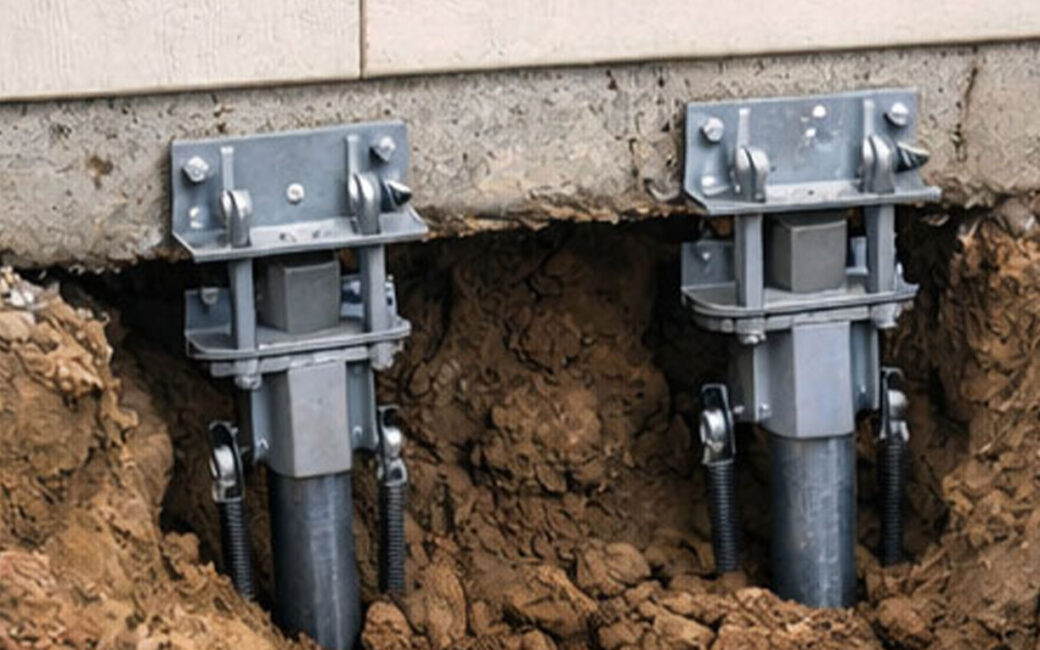
For many homeowners, the foundation is “out of sight, out of mind” until a door starts sticking or a crack snaking up the drywall becomes impossible to ignore. Once you realize your home is shifting, the immediate question shifts from “if” you should fix it to “when.”
While you can’t control the soil beneath your home, you can control the timing of your intervention. In the world of structural engineering, timing isn’t just about the weather—it’s about soil stability, contractor availability, and the chemical curing process of repair materials.
The reality of home maintenance is that the environment is always in flux. From the expansive clay of the South to the frost heaves of the North, the ground is a living, moving entity. Choosing the best time to schedule your foundation repair can save you money, reduce the risk of further damage, and ensure that the solutions implemented are as permanent as possible.
While every season has its pros and cons, understanding the seasonal rhythm of foundation work allows you to move from a reactive state to a proactive one.
Winter: The Season of Stability
Surprisingly, winter is often cited by industry experts as the premier time for foundation work. During the colder months, the ground typically reaches its most stable state. In many regions, the soil is neither overly saturated by spring rains nor parched and shrinking from summer heat. This “frozen” or settled state allows structural engineers to get the most accurate readings of your home’s level without the interference of active soil movement.
Furthermore, winter is generally the “off-season” for residential construction. Because many homeowners prioritize indoor projects or holiday spending, foundation repair crews often have more flexible schedules. Scheduling in January or February can mean faster turnaround times and, in some cases, more competitive pricing as companies look to keep their crews busy during the slower months.
Spring: The Time of Discovery
Spring is the season when foundation issues typically go from “hidden” to “obvious.” As the winter snow thaws and the heavy spring rains begin, the soil around your home expands. This is when leaks in the basement or crawl space become apparent and when hydrostatic pressure—the force of water pushing against your foundation—is at its peak.
While spring is a great time to diagnose problems, it can be a challenging time for the actual repair work. Saturated, muddy ground makes excavation difficult and messy. However, the moderate temperatures are ideal for concrete to cure slowly and evenly, which is essential for the long-term strength of the repair.
If you wait until spring to look for a contractor, be prepared for longer wait times, as this is when most homeowners start noticing cracks and flooding, leading to a surge in service calls.
Summer Advantages for Major Excavation
When a foundation repair requires significant digging—such as installing exterior piers or a new drainage system—summer offers the most predictable working conditions. The dry weather makes excavation faster and less prone to “cave-ins” or mud-related delays.
- Workable Soil: Dry soil is easier to manipulate and move, which can reduce the labor hours required for deep digging.
- Extended Daylight: Longer days allow crews to work more hours, often completing a multi-day project a full day earlier than they would in the winter.
- Material Curing: While extreme heat requires some precautions (like keeping new concrete wet), summer generally provides a stable environment for sealants and membranes to bond effectively.
Fall: The Window of Opportunity
Many professional contractors consider fall to be the “sweet spot” for foundation maintenance. The weather is predictable, the ground has settled from the summer heat, and the heavy rains of autumn haven’t yet saturated the soil. It is the perfect time to “winterize” your foundation before the first frost hits.
- Optimal Temperatures: Fall temperatures usually fall into the 50°F to 70°F range, which is the perfect “Goldilocks” zone for concrete and epoxy curing.
- Pre-Winter Prep: Addressing cracks in the fall prevents water from entering those fissures, freezing, and expanding—a cycle that causes “spalling” and turns small cracks into major structural gaps.
- Landscaping Logistics: Since most plants are going dormant, fall is a safer time to dig near your shrubs and flower beds with less risk of permanent damage to your yard’s aesthetics.
Why “Right Now” is Often the Only Right Time
While there are technical advantages to specific seasons, the most important factor in foundation repair is the severity of the damage. Foundation problems are progressive; they never stabilize or “self-heal” over time. A small hairline crack in the summer can become a structural failure by winter.
- Escalating Costs: A repair that costs $3,000 today could easily double if the movement causes secondary damage to plumbing, roofing, or interior finishes.
- Safety First: If you notice bowing walls or doors that won’t close, the structural integrity of your home is already compromised, making the seasonal “ideal” irrelevant.
- Peace of Mind: Waiting for the “perfect” season often leads to “rain anxiety.” Fixing the issue immediately removes the stress of wondering if every thunderstorm is the one that causes a flood.
Don’t Let the Calendar Dictate Your Home’s Safety
While winter and fall offer the most stable soil and curing conditions, the best time to fix your foundation is the moment you realize it’s broken. In the world of homeownership, “someday” is the most expensive word in the dictionary.
By scheduling an inspection today, you can beat the spring rush, secure your property’s value, and ensure your home remains a solid sanctuary for years to come. Whether the ground is frozen or the sun is shining, a dry and level home is always a worthwhile investment.