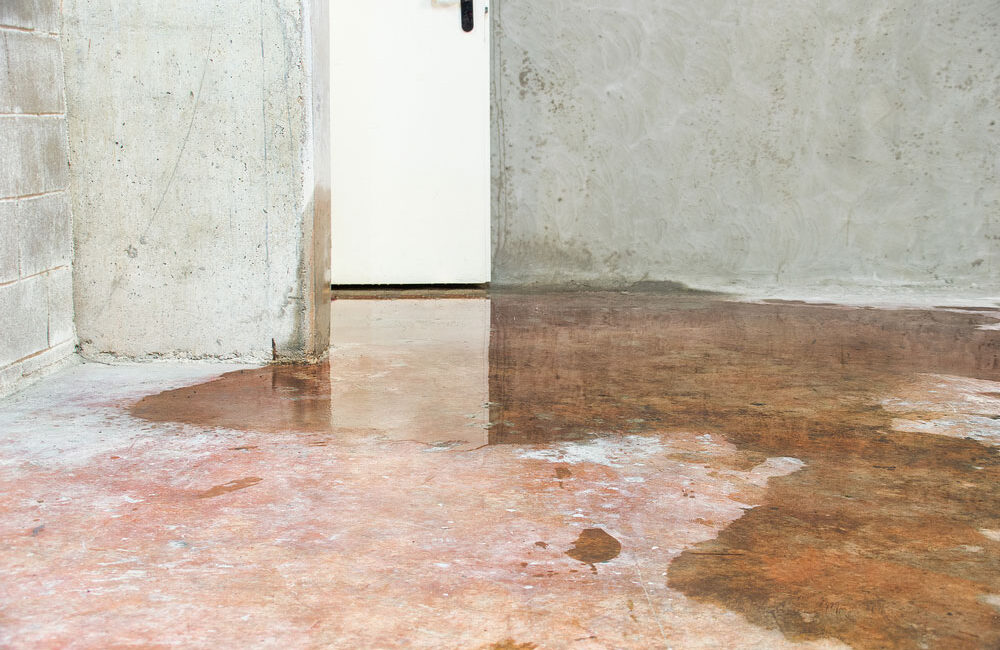
For most homeowners, the basement is the “out of sight, out of mind” portion of the house. It is the repository for seasonal decorations, old photo albums, and the mechanical heartbeat of the home. However, because it sits below grade, the basement is also the most vulnerable point for water intrusion.
Ignoring the health of your foundation isn’t just a maintenance oversight; it is a financial gamble. Water is a patient destroyer, and by the time you are standing in a puddle, the structural and economic damage is already well underway.
Detecting water damage early is the difference between a simple weekend repair and a five-figure restoration project. In the United States, foundation issues caused by water are among the leading reasons for decreased property value during home inspections.
Understanding the subtle, early warning signs of moisture allows you to intervene before mold takes hold or the structural integrity of your home is compromised. If you know what to look for, your basement will “tell” you it has a problem long before the first major storm hits.
Efflorescence: The White, Chalky “Sparkle”
One of the most common yet overlooked signs of moisture is a white, powdery, or “sparkly” substance appearing on your concrete or brick walls. This is known as efflorescence. While it might look like a strange mold or a simple salt deposit, it is actually a diagnostic tool for your foundation.
Efflorescence occurs when water seeps through the porous concrete, dissolving minerals along the way. As the water evaporates on the interior surface, it leaves those minerals behind.
If you see these white streaks, it is a definitive sign that hydrostatic pressure is pushing water through your walls. While the powder itself isn’t toxic, the process behind it is problematic. It indicates that the concrete is being “leached,” which can lead to a loss of strength over time. Seeing efflorescence means your exterior waterproofing has failed or was never present, and the “dry” look of the wall is merely an illusion created by evaporation.
The Tell-Tale Musty Odor
The human nose is often a better moisture detector than the human eye. If you open your basement door and are greeted by a heavy, earthy, or “old book” smell, you have a moisture problem. This odor is caused by Microbial Volatile Organic Compounds (mVOCs), which are gases released by mold and mildew as they digest organic material like dust, wood, or drywall paper.
Because of the “stack effect,” the air in your basement doesn’t stay in your basement; it migrates upward into your kitchen, living room, and bedrooms. A musty smell indicates that the relative humidity in your basement is consistently above 60%, which is the threshold for mold growth. Even if you don’t see standing water, that smell is a warning that your basement is acting as a giant sponge, absorbing moisture from the surrounding soil and releasing it into your breathing air.
Visible Wall Cracks and Surface Changes
Concrete is designed to be rigid, but when the soil outside expands and contracts due to water saturation, the walls begin to telegraph the stress. Not all cracks are created equal, and knowing which ones signify water pressure is vital for early detection.
- Horizontal Cracks: These are the most serious. They often indicate that the soil outside is heavily saturated and pushing against the wall, causing it to bow inward.
- Hairline Fissures: While some settling is normal, many small cracks are “active,” meaning they leak during heavy rain. Look for dark staining or “weeping” around these lines.
- Flaking or Peeling Paint: If you have painted your basement walls and the paint is bubbling or flaking off (spalling), it means moisture is trapped behind the paint and is pushing it away from the surface.
Floor and Baseboard Discoloration
Water damage doesn’t always come through the walls; it often migrates upward through the floor slab or through the “cove joint”—the tiny gap where the wall meets the floor. If you have a finished basement, the warning signs are often hidden behind your décor.
- Rust Stains: Look at the bottom of metal furniture, appliances, or the nails in your baseboards. Rust is a clear indicator of high humidity or floor-level moisture.
- Warped Floorboards: If you have wood or laminate flooring, look for “cupping” or edges that seem to be lifting. This is a sign of vapor rising through the concrete slab.
- Dark Spots on Carpeting: Persistent damp spots or dark stains near the perimeter of the room often indicate that the interior drainage system is overwhelmed or non-existent.
Pest Infestations and Unexplained Humidity
Sometimes the signs of water damage are biological. Insects and pests are highly sensitive to moisture levels and will congregate in areas where the “micro-climate” is damp and cool.
- Silverfish and Centipedes: These “moisture-loving” pests thrive in damp environments. If you see an increase in their activity, your basement humidity is likely too high.
- Condensation on Pipes: “Sweating” cold water pipes indicate that the air in the basement is saturated with moisture. This condensation can drip onto your joists, leading to wood rot.
- Termite Mud Tubes: Subterranean termites require moisture to survive. Damp foundation walls provide the perfect highway for them to enter the wooden structure of your home.
Stop the Damage Before the Next Storm Hits
A dry basement is the foundation of a healthy home and a stable investment. Ignoring these five warning signs won’t make the water go away; it will only make the eventual repair more expensive.
By identifying efflorescence, odors, or hairline cracks today, you can implement a professional waterproofing solution that saves your home from structural failure and mold contamination. Don’t wait for a flood to tell you what these early signs are already screaming—protect your home now and enjoy the peace of mind that comes with a bone-dry foundation.
Learn more here https://sugarlandfoundationrepairpros.com/basement-waterproofing