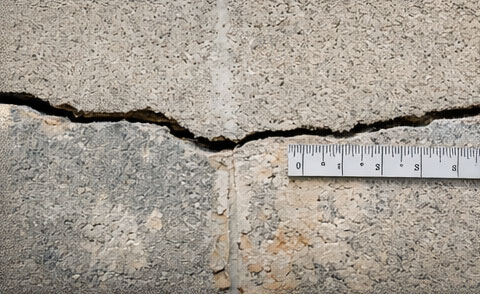
In the busy rhythm of homeownership, it is easy to relegate a small crack in the basement or crawl space to the “deal with it later” list. We tell ourselves that the house has stood for decades and surely a few more months won’t hurt. However, a house is a dynamic system, and the foundation is its most critical component. Ignoring a foundation crack for a year is not simply a matter of delaying a cosmetic repair; it is an invitation for a localized issue to evolve into a systemic failure.
The stakes are higher than most homeowners realize. In the span of twelve months, a home will endure four full cycles of seasonal expansion and contraction. It will face the hydrostatic pressure of spring rains, the parched shrinkage of summer droughts, and the relentless force of winter’s freeze-thaw cycles.
In the world of structural engineering, a year is an eternity. By the time that 365-day mark hits, the “minor” crack you first noticed will likely have invited water, pests, and structural instability into your home, turning a manageable fix into a financial nightmare.
The Exponential Growth of Repair Costs
The most immediate consequence of waiting a year to address foundation cracks is the radical shift in the “price of admission” for a repair. Foundation issues are rarely static; they are progressive. What starts as a hairline fracture might be treatable with a simple high-pressure epoxy injection costing a few hundred dollars. This keeps the crack sealed and prevents moisture from reaching the interior.
However, over the course of a year, water entering that crack will erode the surrounding concrete and the soil beneath the slab. As the support structure weakens, the house begins to settle unevenly. By the end of the year, you are no longer looking at a simple seal-and-fill job. Instead, you may be facing “piering”—the process of driving steel pillars into the bedrock to level the house. What was once a $500 maintenance task has now spiraled into a $15,000 structural overhaul.
The Compromise of the Home’s “Skeleton”
Your foundation doesn’t exist in a vacuum; it supports the entire weight of your home. When a crack is ignored for a year, the shifting foundation forces the rest of the house to move with it. Because wood framing, drywall, and roofing materials are not as flexible as the soil, they begin to snap and warp under the pressure.
Within twelve months, you will likely see “sympathetic” damage throughout the upper floors. Drywall will crack at the corners of doors and windows, and the roofline may begin to dip, potentially causing shingles to pop and leaks to form. The longer the foundation remains unstable, the more the “bones” of your home are twisted out of alignment. Even after the foundation is eventually fixed, these secondary issues often require extensive and expensive carpentry and cosmetic work to rectify.
The Inevitable Invasion of Water and Mold
A crack is an open door for the elements. Over a year, even a tiny fissure can become a highway for groundwater seeking the path of least resistance.
- Hydrostatic Pressure: During heavy rains, water builds up in the soil and pushes against your walls. A year of this pressure widens cracks, leading to “weeping” walls or full-scale basement flooding.
- Mold Colonization: Once moisture enters, it becomes trapped behind drywall or under flooring. Within just 48 hours of water exposure, mold begins to grow. A year of neglected leaks can lead to a systemic mold infestation that requires professional remediation.
- Efflorescence and Spalling: Constant water seepage leaches minerals from the concrete. Over a year, this causes the concrete to become brittle and “flake” away, a process known as spalling that permanently weakens the wall.
The Invitation to Destructive Pests
Many homeowners don’t realize that foundation cracks are the primary entry point for the most destructive pests in North America. To a termite or a carpenter ant, a foundation crack is a VIP entrance to the wooden structure of your home.
- Termite Mud Tubes: Subterranean termites need moisture to survive. A damp crack provides both the moisture and the access they need to begin eating your floor joists and wall studs.
- Rodent Entry: Mice can fit through a hole the size of a dime. Over a year, a widening crack can easily accommodate rodents looking for a warm place to nest.
- Insect Infestations: Centipedes, silverfish, and spiders thrive in the humid micro-climate created by a leaking foundation crack, leading to persistent pest problems that no amount of surface spraying can solve.
The Drastic Decline in Marketability and Equity
If you decide to sell your home within that year, an unrepaired foundation crack becomes a massive liability during the disclosure process. In many states, you are legally required to disclose known foundation issues.
- The “Scar” Factor: Even if the crack is minor, a buyer sees it as a sign of neglect. This leads to “low-ball” offers or demands for massive repair credits at the closing table.
- Financing Hurdles: Many lenders, particularly for FHA or VA loans, will not approve a mortgage on a home with visible structural cracks until they are professionally repaired and certified.
- Lost Leverage: By waiting a year, you lose the ability to fix the problem on your own terms. You will be forced to fix it under the pressure of a real estate deadline, often paying a premium for rush labor.
Don’t Let Your Foundation Become a Financial Trap
Ignoring a foundation crack for a year is a gamble where the house always loses. While the crack might seem small today, it is a ticking clock that counts down to higher costs, poorer air quality, and structural instability.
Protecting your home is about more than just keeping it upright; it is about preserving the equity you have worked so hard to build. The best time to fix a foundation crack was the day it appeared—the second-best time is today.